This interactive workshop introduces the principles of open data in sports medicine, focusing on practical skills, collaboration, and ethical sharing. Participants will explore how to design simple data collection systems, define minimal datasets for common injury scenarios, and navigate the challenges of merging information across platforms and stakeholders.
The session will provide demonstrations of widely used tools such as Excel, REDCap, R, and Python, alongside practical activities. Delegates will have the opportunity to brainstorm important variables for injury surveillance and return-to-play, ensuring standardisation, quality, and data privacy.
A key theme will be collaboration. Athletes, clinicians, coaches, and data managers all play critical roles in ensuring that collected data is both meaningful and manageable. The workshop will also address ethical frameworks for open science, including the FAIR principles (Findable, Accessible, Interoperable, Reusable), anonymisation techniques, and licensing considerations.
By the end of the session, participants will take away a template for a minimal dataset, example code for merging and analysing data, and a list of recommended open platforms and resources. The aim is to provide clinicians, researchers, and practitioners with the tools and confidence to use open data approaches that promote transparency, reproducibility, and meaningful collaboration in sports medicine.
Aimed at: Open to all
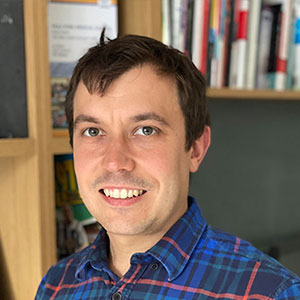
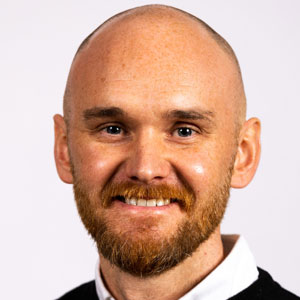
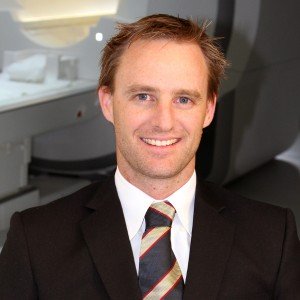
Dr Stefan Kluzek is a Consultant and Clinical Professor in Sport, Exercise and Musculoskeletal Medicine, with appointments at Wake Forest University (North Carolina, USA) and the University of Oxford (UK). He trained in internal medicine before specialising in Sport and Exercise Medicine, completing his doctorate and lectureship at the University of Oxford, where his research focussed on post-traumatic synovitis and the role of inflammatory pathways in early knee osteoarthritis.
Stefan’s research interests focus on phenotyping for targeted intervention in common musculoskeletal problems, including the use of biomarkers, inflammatory pathways, and metabolic drivers of disease. He has led and contributed to multi-centre studies on knee injury, early osteoarthritis, and joint health, and is actively engaged in translational projects that bridge laboratory science, imaging, and clinical practice. He has published widely in sport and exercise medicine, osteoarthritis, and musculoskeletal ageing, and collaborates internationally with academic, clinical, and industry partners.
Alongside his academic work, Dr Kluzek is an experienced Sports Physician and has provided care for Olympic and Paralympic athletes across the last four Olympic cycles, as well as for the RFU, RFL, ECB, UK Athletics, and professional football. His career reflects a strong dedication to advancing musculoskeletal science while delivering world-class clinical care that supports performance, recovery, and long-term health

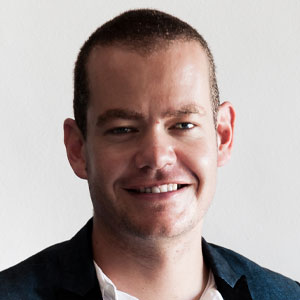
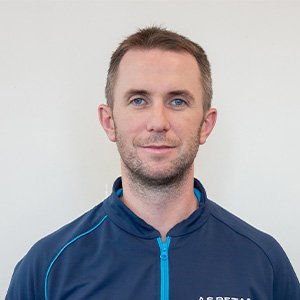
Dr Garrett Bullock trained as a physiotherapist in the United States before completing his doctorate at the University of Oxford, where his research focused on musculoskeletal epidemiology and long-term outcomes in elite athletes.
Dr Bullock’s research interests include injury prevention, rehabilitation, and the use of large-scale data to understand the long-term musculoskeletal health of athletes. He has developed and led national and international projects, with a focus on sports injury surveillance, performance outcomes, and transitions from elite sport into later life. He has published widely on epidemiology, rehabilitation, and athlete health, and collaborates extensively across the UK, Europe, and North America.
His career reflects a consistent commitment to advancing musculoskeletal research while improving practical approaches to injury prevention, rehabilitation, and athlete health across the lifespan.